Upgrade Your Kitchen With Toxin-Free Titanium Cookware

Prepare meals worry-free with the world’s safest kitchenware – No PFAS. No Coatings. No Chemicals. Save up to 55 % before they’re gone!

Upgrade Your Kitchen With Toxin-Free Titanium Cookware

Prepare meals worry-free with the world’s safest kitchenware – No PFAS. No Coatings. No Chemicals. Save up to 55 % before they’re gone!

Shop Best Sellers

ASERA in motion

Watch our products in action

Short clips straight from our product line — press play, use the player controls, and watch full screen if you like.

Built Different

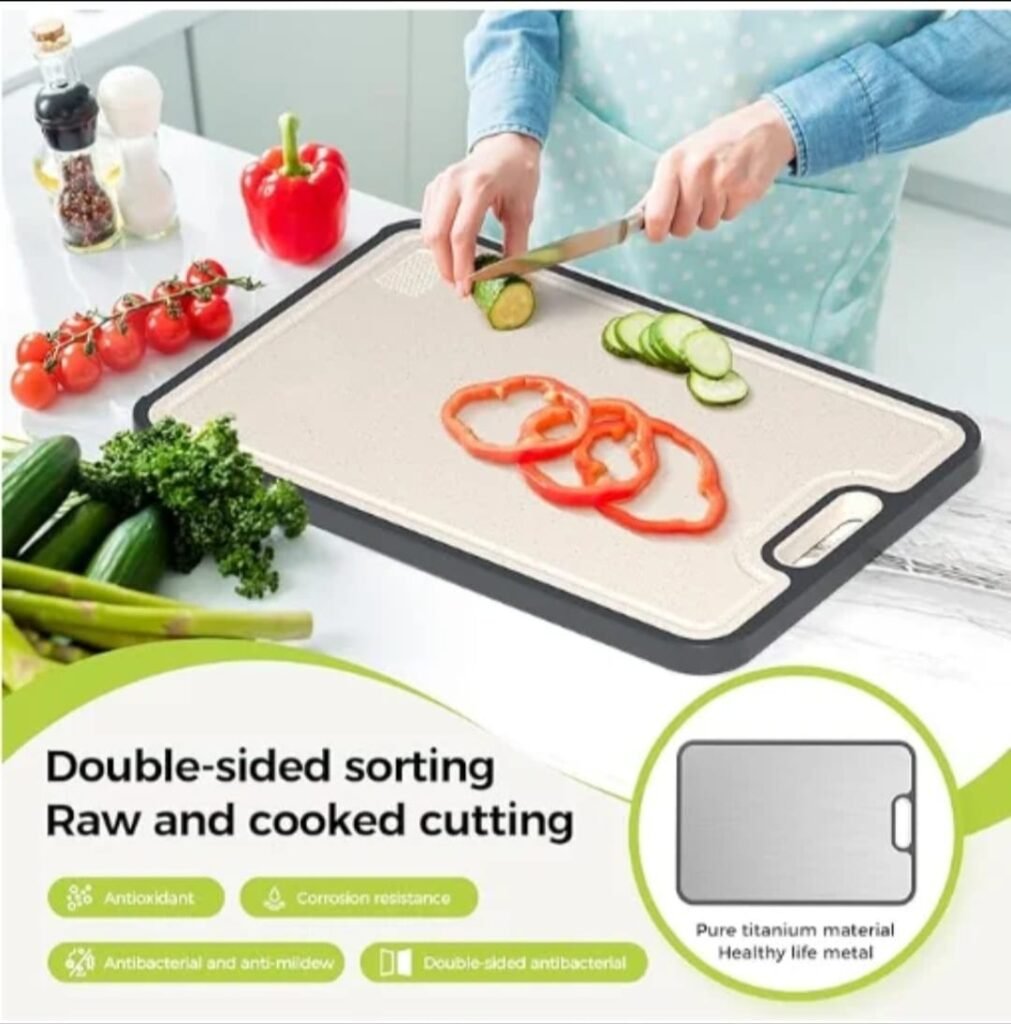
Titanium cutting board in action

Time for an Upgrade

Why your cutting board matters

More Than You Think

Everyday kitchen essentials

PFAS-FREE 100% TOXIN-FREE CERTIFIED ANTIBACTERIAL SUSTAINABLE FREE RETURNS
Ti
Titanium

Element 22 · Transition Metal · Group 4

Density
4.51 g/cm³
Melting Point
1668°C
Hardness (Mohs)
6.0
Tensile Strength
434 MPa
Corrosion Resistance
Excellent
Biocompatibility
100%

The element that does not compromise.

Titanium was discovered in 1791 by William Gregor and named after the Titans of Greek mythology — beings of extraordinary strength. That name was not chosen by accident.

At the atomic level, titanium’s crystal structure gives it an unusual combination of properties: high strength, very low weight, extreme corrosion resistance, and complete chemical inertness. It does not react with food. It does not leach into your body. It does not warp under heat.

The same material trusted in surgical implants, aerospace frames, and deep-sea equipment is now in your kitchen — because it is simply the best material that exists for the job.

Material Science

Why titanium outperforms everything else

Every property of titanium was shaped by physics and chemistry over billions of years. Here is what each one means for how you cook.

Biocompatible & Chemically Inert

Titanium does not react with acids, bases, or organic compounds — including every food you will ever cook. At the atomic level, titanium instantly forms a stable oxide layer (TiO₂) on its surface that is impenetrable to chemical reactions.

Zero chemical leaching into food. Zero. Ever.

Exceptional Heat Tolerance

With a melting point of 1668°C — nearly three times higher than aluminium — titanium maintains its structural integrity and surface properties at every temperature you will ever use in a kitchen. No warping. No buckling. No surface degradation.

Melts at 1668°C. Your oven maxes at 260°C. The margin is enormous.

Strength-to-Weight Ratio

Titanium has the highest strength-to-weight ratio of any metallic element. It is as strong as steel but 45% lighter. This is why aerospace engineers use it for aircraft frames and why BarelyBurn pans feel effortless to lift and manoeuvre.

45% lighter than steel. Same strength. Better balance.

Corrosion & Rust Resistance

The naturally occurring oxide layer on titanium (TiO₂) makes it virtually immune to corrosion — even in saltwater, acidic environments, and high humidity. Unlike cast iron or carbon steel, titanium does not rust and requires no seasoning or special maintenance.

No rust. No seasoning. No maintenance. Just cook.

Non-Toxic Surface Science

The surface of a BarelyBurn pan is pure titanium — not a coating applied on top of an aluminium or steel base. There is no PTFE, no PFOA, no PFAS chemicals, no ceramic spray that chips over time. What you see is what it is, all the way through.

No hidden chemicals. No coatings. Pure titanium surface.

Lifetime Durability

Titanium does not degrade, scratch through to unsafe layers, or change its surface properties over time. The same pan you cook with today will perform identically in 10 years. This is why we back BarelyBurn pans with a lifetime warranty — because the science supports it.

Backed by a lifetime warranty because the material earns it.

The Science of BarelyBurn

Not just a pan.

An element.

Titanium is the ninth most abundant element on Earth — forged in the cores of dying stars. We put it in your kitchen. Here is exactly why that matters.

Ti
Atomic Symbol
22
Atomic Number
1668°C
Melting Point
60%
Lighter Than Steel

Head to Head

Titanium vs everything in your kitchen

This is not marketing. These are material science properties measured in laboratories. The data speaks for itself.

PropertyTitanium (BarelyBurn)Non-Stick (Teflon)Stainless SteelCast IronCeramic Coated
Chemical Safety100% inert · No leachingBestPTFE / PFAS concerns above 260°CRiskNickel & chromium may leachModerateIron leaches into foodModerateCoating chips over timeModerate
WeightVery light — 4.51 g/cm³BestLight (aluminium base)Heavy — 8.0 g/cm³Very heavy — 7.2 g/cm³Medium weight
DurabilityLifetime — no degradationBest2–5 years before coating failsPoorLong lasting — may pitGoodLifetime if maintainedGood1–3 years before chippingPoor
Heat ToleranceUp to 1668°C melting pointBestMax 260°C — releases fumes aboveRiskHigh tolerance, good for ovenGoodVery high — oven safeGoodMax ~400°C before degradingModerate
MaintenanceNone — wash and cookBestGentle only — no metal utensilsModerateMay need Bar Keepers FriendModerateMust season regularly, no soapHigh effortGentle only — coating sensitiveModerate
Rust / CorrosionImpossible — natural oxide layerBestBase can rust if coating chipsModerateResistant but can rust in spotsModerateRusts easily without careRiskBase can corrode if chippedModerate
Surface PuritySolid titanium — no coatingsBestPTFE coating on aluminiumCoatingPure steel — no coatingGoodPure cast iron — no coatingGoodCeramic coating on base metalCoating
BiocompatibilityMedical grade — 100% safeBestSynthetic polymer — concerns existConcernGenerally safeGenerally safeGenerally safe if intactModerate

Health Science

What goes into your pan goes into your body.

The cookware you use is not neutral. Research has shown that certain materials leach compounds into food at cooking temperatures. Titanium is the one material that does not.

  • ✓Titanium is classified as biocompatible — the same grade used in surgical implants, dental fixtures, and medical devices implanted inside the human body
  • ✓The TiO₂ surface oxide layer is chemically inert — it does not react with acidic foods like tomatoes, citrus, or vinegar that cause leaching in other materials
  • ✓Zero PTFE, PFOA, PFAS, or any fluorinated compounds — the class of chemicals increasingly linked to health concerns in long-term studies
  • ✓No nickel, no chromium migration — relevant for people with metal sensitivities or nickel allergies common with stainless steel
  • ✓No iron leaching — important for those monitoring iron intake, particularly relevant for people with haemochromatosis
  • ✓Approved and used by NASA, military, and medical device manufacturers — the highest safety standards on the planet

What other pans may release into your food

  • ✗Non-stick (Teflon): PTFE polymer particles and fumes above 260°C, degrading with each use
  • ✗Stainless steel: Nickel and chromium ions into acidic foods over time
  • ✗Cast iron: Iron ions, relevant to people with iron absorption conditions
  • ✗Ceramic coated: Heavy metals from pigmented glazes, particularly older or lower-quality ceramics
  • ✗Aluminium: Associated with migration into food at cooking temperatures, particularly with acidic ingredients

The FDA classifies titanium dioxide (TiO₂) as Generally Recognized as Safe (GRAS). The European Food Safety Authority (EFSA) has approved titanium for direct food contact applications. BarelyBurn cookware meets or exceeds all food safety standards in the US, EU, UK, and internationally.

Heat Science

Understanding heat and your titanium pan

Titanium’s thermal properties are different from other metals. Understanding them helps you cook better, every time.

Lower
Heat Setting Needed

Titanium retains heat efficiently. Start with medium heat — most dishes that require high heat on stainless steel only need medium on titanium. You will use less energy and cook more evenly.

Even
Heat Distribution

Titanium distributes heat uniformly across the cooking surface. No hot spots. No cold zones. Every part of your food receives consistent temperature — the foundation of repeatable, professional cooking results.

1668°C
Melting Point Safety Margin

Your highest oven setting reaches 260°C. A commercial kitchen’s highest flame reaches ~500°C. Titanium’s melting point of 1668°C means you are operating at a tiny fraction of its limit — always, no matter what.

Pro tip: Because titanium is such an efficient heat retainer, preheat your pan for 60–90 seconds on medium heat before adding oil or food. This creates an even, consistent cooking surface from edge to edge — the secret to that perfect sear your smoke alarm will never see coming.

Prioritizing Your Health In Everything We Create.

Titanium has long been used in medical & aerospace industries – but until recently, it was too difficult and expensive to shape into everyday products. At Taima®, we’ve changed that. Thanks to advanced engineering, we’ve made the world’s most biocompatible & safe metal practical for your kitchen.

“Health Is The Most Valuable Thing We Have. I Created Taima To Protect It”

Paul S., Founder

Titanium Isn’t Competing. It’s Replacing.

From toxin & bacteria risks to high maintenance, these “outdated” kitchenware materials just don’t measure up.

Non_Stick coated / Teflon

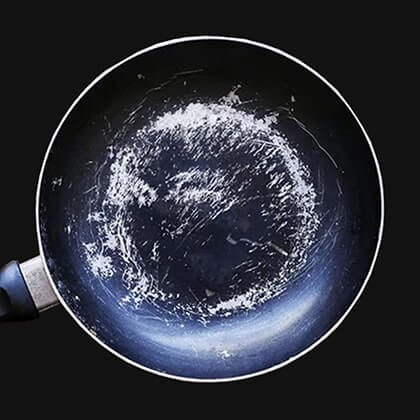
Worst type of pan surface there is. Teflon / majority of non-stick pans release toxic PFAS chemicals, known as “forever chemicals” which have been linked to cancer and liver damage. The coating easily shaves off over time and can’t handle the heat exposing your food to toxins.

Stainless Steel

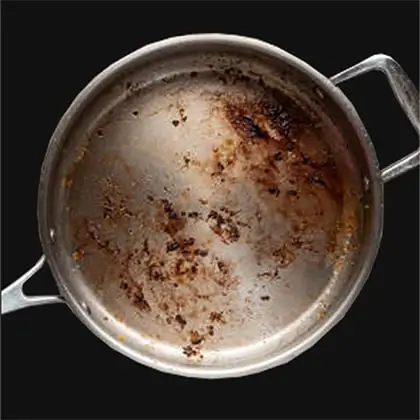
Requires lots of oil to prevent sticking, and reacts with acidic foods – altering taste and potentially leaching metals in lower-quality pans. Tougher to clean, high effort to maintain.

Ceramic

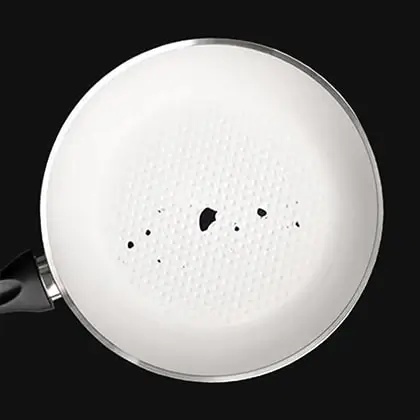
Ceramic coatings are very fragile, once chipped, they expose toxic aluminum base. Most only last 1-2 years before losing their non-stick. Expensive to replace, unreliable long-term.

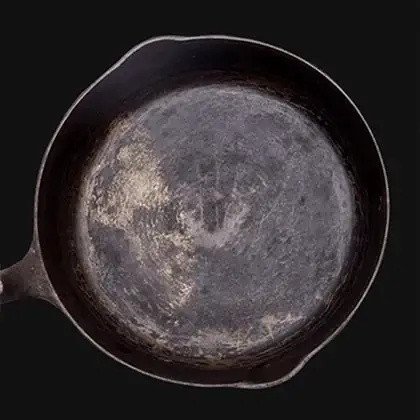
Cast Iron

Incredibly heavy and high-maintenance – cast iron rusts easily without regular seasoning and struggles with acidic foods, which can degrade the surface and alter flavor.

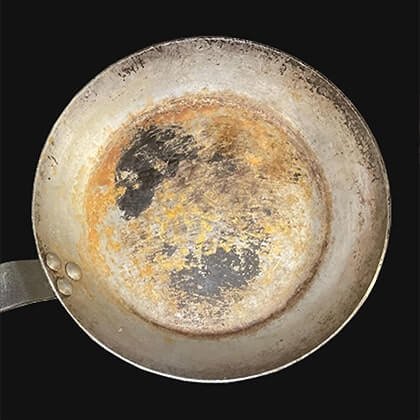
Carbon Steel

Rusts easily, requires constant seasoning, and reacts with acidic foods like tomatoes, pepper or lemon – damaging the surface and altering taste. Not non-stick, not low-maintenance, and definitely not worth the trouble for most home kitchens.

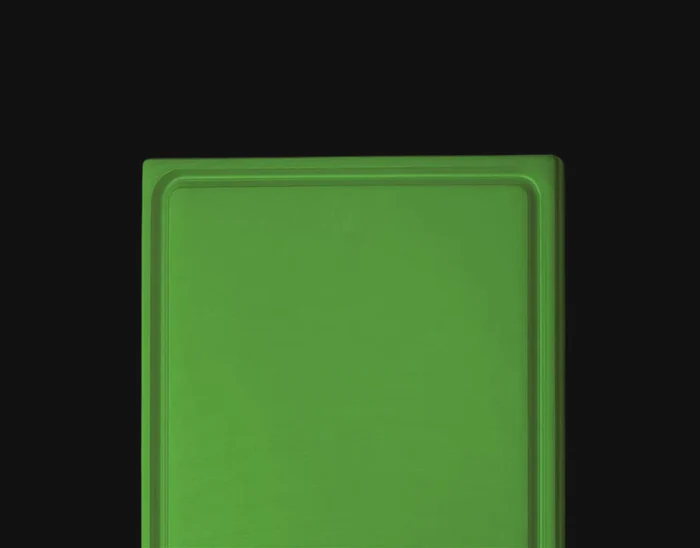
Plastic

Contains BPA’S or other harmful chemicals that shave off into food during cutting, posing a risk to hormone, gut & brain health.

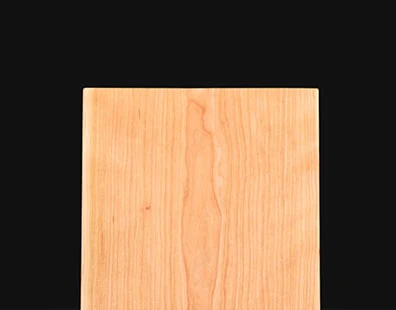
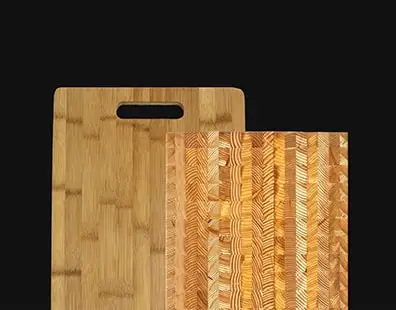
Solid Wood

Not hygienic. Wood is porous, it absorbs raw food juices & moisture. Cut grooves trap bacteria, making it nearly impossible to sterilize. Mold and contamination are almost guaranteed over time. They also absorb odors, stain easily.

Bamboo & End-Grain

Same risks as solid wood, plus they’re pieced together from small blocks using industrial glue that contains carcinogenic formaldehyde chemicals. Not just unhygienic – unsafe.

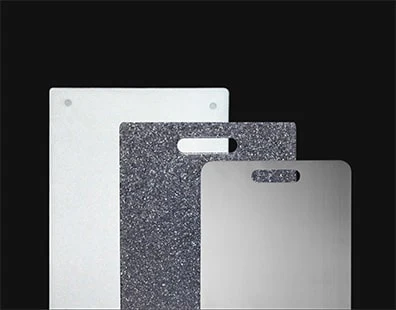
Glass / Stone / Steel

These materials are very hard & dull knives quickly. Very heavy as well.

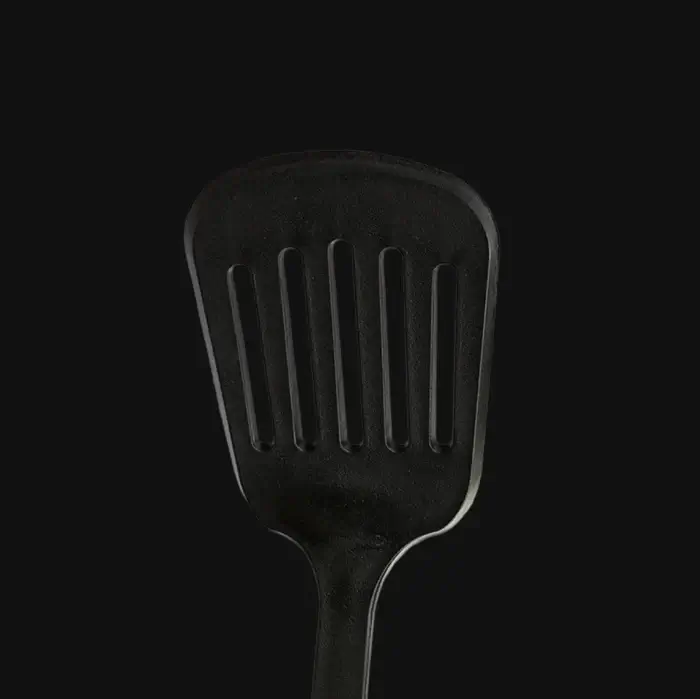
Plastic

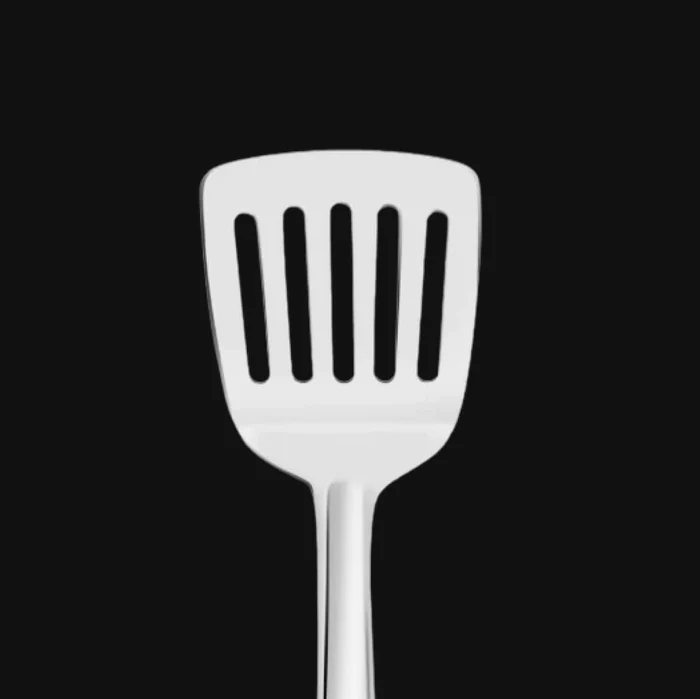
Plastic spatulas have a very low melting temperature, releasing toxic chemicals each time they’re used, causing serious health risks like gut, hormone disruption & cancer.

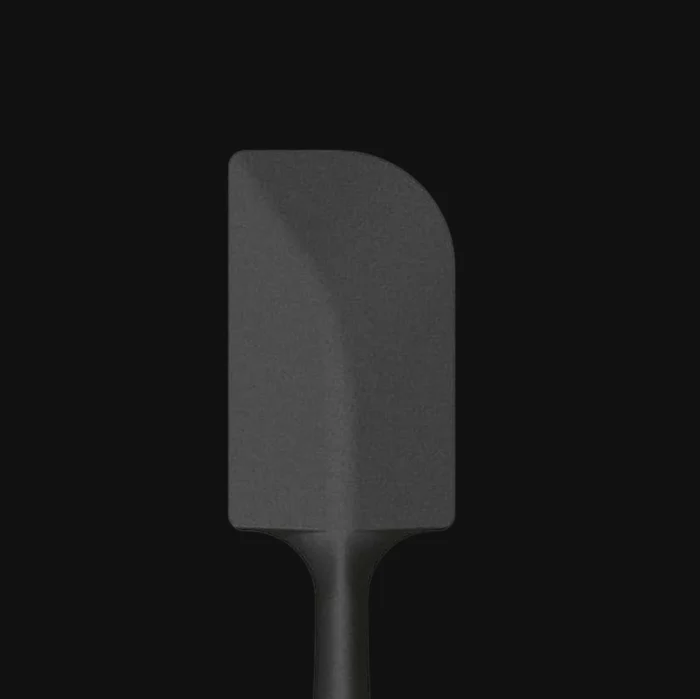
Silicone

While high-end silicone spatulas are heat-resistant, most found on Amazon or in regular stores degrade over time and release toxic chemicals. Cheaper silicone spatulas often contain dangerous fillers like BPA and phthalates, becoming toxic when heated.

Wood

Not hygienic. It lets bacteria grow in grooves and cracks, even if invisible, which can contaminate your food over time.They also absorb odors, stain easily.

Steel

Most are made from low-grade alloys that release heavy metals like chromium and nickel into your food when heated. They’re also heavy, destroying your cookware’s surface.

Carbon Steel

Rusts easily, requires constant seasoning, and reacts with acidic foods like tomatoes, pepper or lemon – damaging the surface and altering taste. Not non-stick, not low-maintenance, and definitely not worth the trouble for most home kitchens.

Plastic

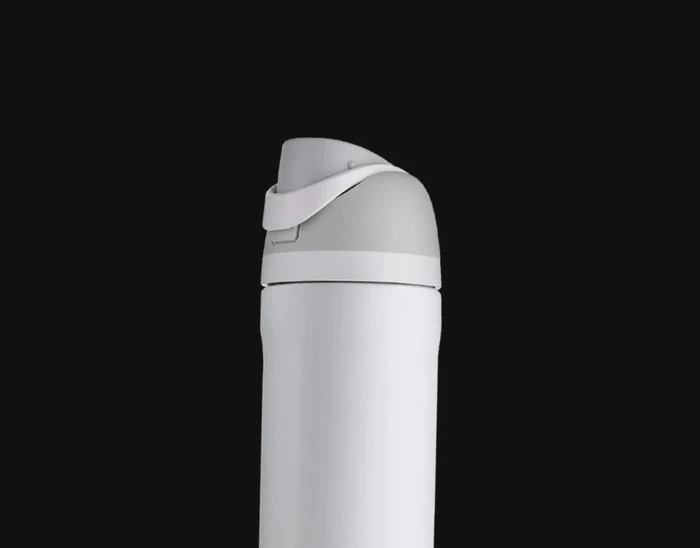
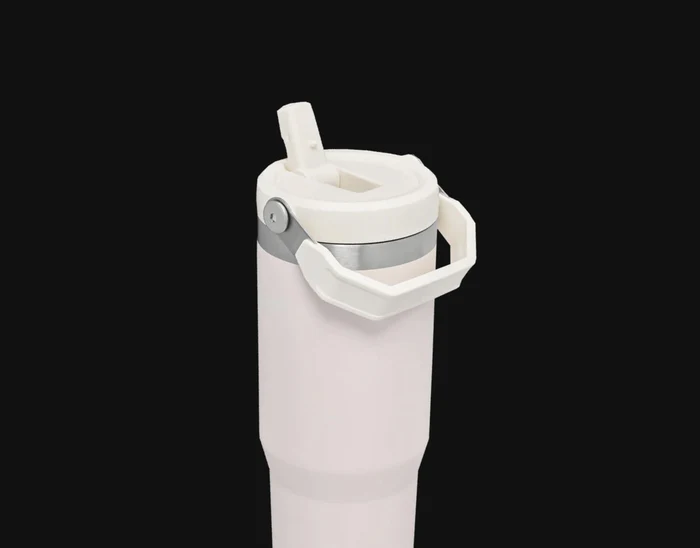
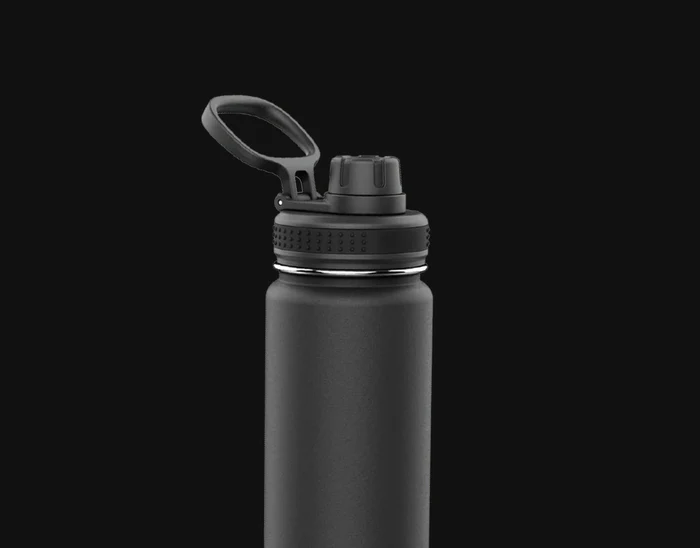
Worst type of water bottle. Even BPA-free plastic bottles leach hormone-disrupting chemicals, especially when exposed to heat. The moist environment around the mouthpiece quickly breeds bacteria and mold.

Steel

Though durable, stainless steel isn’t antibacterial like titanium, allowing bacteria from your mouth to thrive inside. Frequent cleaning is essential, as studies show 87% of these bottles contain harmful bacteria like E. coli.

Aluminum

Aluminum bottles are often lined with synthetic coatings to prevent the metal from reacting with liquids, but these coatings can break down and leach chemicals into your water. Like other bottles, bacteria and fungi easily grow in aluminum bottles, making them unsanitary.

Glass

While glass doesn’t leach chemicals, it offers no antibacterial protection. Bacteria from your mouth still multiply in the bottle. Additionally, glass is fragile, making it more prone to breakage and less practical for daily use.

⚗ No Toxins
♥ Biocompatible
♨ Extremely Hygienic
✥ Naturally Antibacterial
♧ Mold & Fungi Resistant
✣ No Cross-Contamination
⚗ No Heavy Metals
♥ Effortless To Clean
♨ Never Breaks Down
✥ Sustainable By Design
♧ Safe At Any Temperature
✣ PFAS-Free, MicroPlastic Free
⚗ No Toxins
♥ Biocompatible
♨ Extremely Hygienic
✥ Naturally Antibacterial
♧ Mold & Fungi Resistant
✣ No Cross-Contamination
⚗ No Heavy Metals
♥ Effortless To Clean
♨ Never Breaks Down
✥ Sustainable By Design
♧ Safe At Any Temperature
✣ PFAS-Free, MicroPlastic Free

Our Mission Is Simple

To create kitchenware so safe, so durable, and so effortless… you’d never have to think about it again.

That’s it

Your smoke alarm deserves a day off.

Shop BarelyBurn titanium cookware — built from the most trusted material on Earth, backed by a lifetime warranty, and designed for people who take their cooking seriously.

You Deserve Better Than Random Emails.

We only send you things worth opening. Breakthroughs, exclusive launches, toxin-free living tips, and the latest in innovation – before the rest of the world catches on.

We hate spam too.

Barely Burn is the original brand of certified pure titanium kitchenware.